
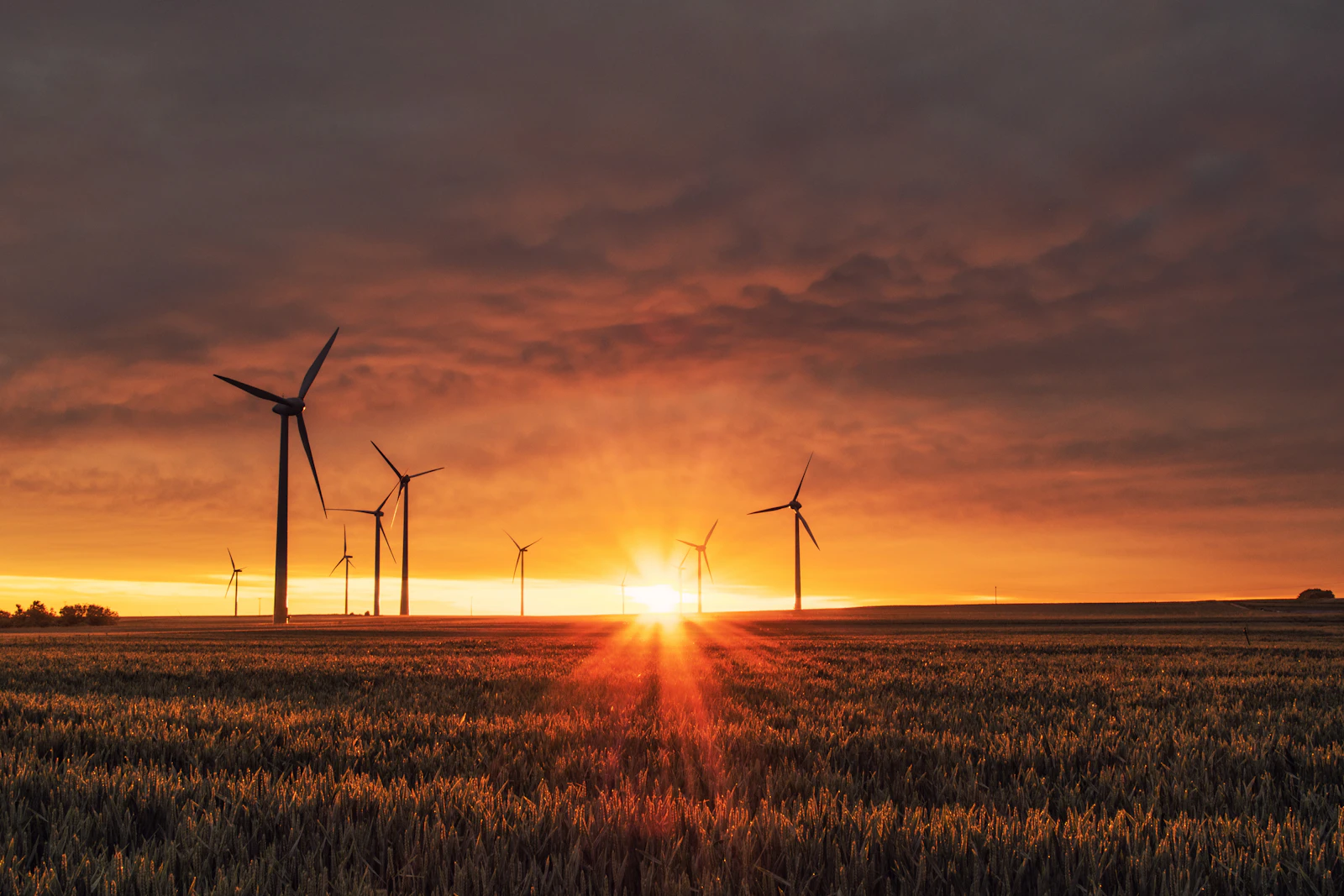
Portugal rarely dominates European energy headlines the way Germany or the Nordic countries do, but grid operators across the continent have been quietly studying its numbers. For extended stretches this year, the country's electricity demand has been met almost entirely by wind, solar and hydro power.
The achievement owes less to a single dramatic policy and more to a decade of incremental investment: aggressive wind development along the Atlantic coast, an expanding solar footprint in the sun-heavy south, and pumped-hydro storage that allows the grid to bank surplus renewable power for windless, cloudy days.
The storage piece
Energy analysts point to storage as the least glamorous but most decisive part of the equation. Renewable generation is only as useful as a grid's ability to hold onto it until it's needed, and Portugal's pumped-hydro capacity, built into existing dam infrastructure, gives it flexibility that flatter, less mountainous countries struggle to replicate.
Interconnection with Spain has also played a quiet supporting role, allowing both countries to balance surpluses and shortfalls across a shared grid rather than each having to solve storage entirely alone.
Not without limits
Officials are careful to note that "almost entirely renewable" stretches are not the same as year-round independence from fossil fuels, and dry years remain a real vulnerability for a grid so dependent on hydro. Even so, for other mid-sized economies looking for a template that doesn't require Germany-scale investment, Portugal's approach, patient, storage-focused, and regionally connected, is becoming a reference case worth watching.