

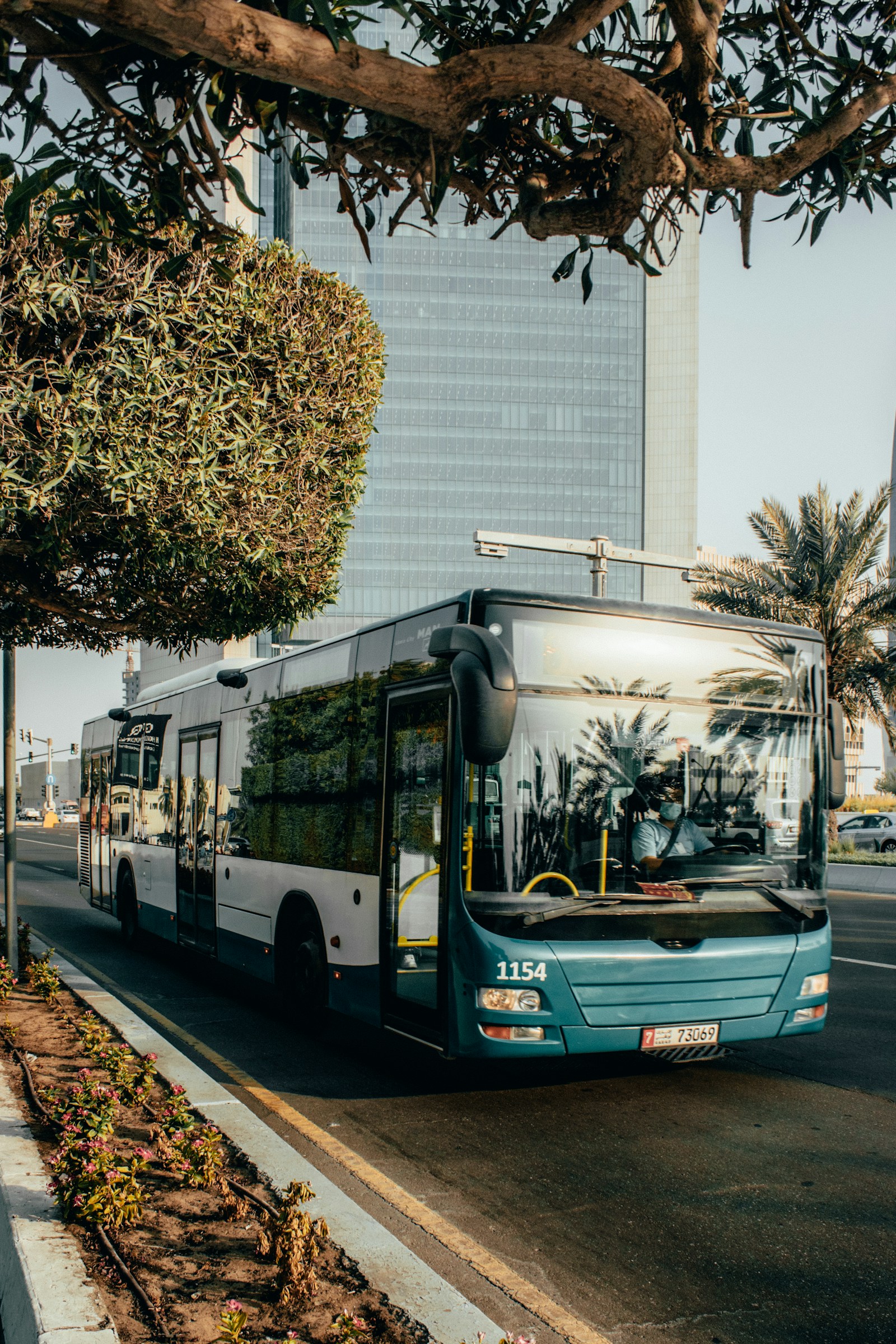
Urban mobility is undergoing its most profound transformation in a century. As traditional transit networks face shifting commute patterns and rising operational hurdles, city planners around the world are rethinking how people move between neighborhood centers, business districts, and home.
Rather than relying exclusively on rigid fixed routes, transit authorities and tech innovators are deploying micro-transit networks: agile, on-demand, and increasingly electric fleets coordinated by predictive dispatch algorithms.
Bridging the first-mile, last-mile gap
One of the persistent challenges of mass transit has always been the first-and-last mile problem. Commuters frequently abandon public transit options if the walk to the nearest train or express bus takes more than fifteen minutes. Micro-transit hubs placed at strategic neighborhood crossroads act as feeders into arterial rail lines, slashing travel friction.
Pilot deployments across Europe and North America demonstrate that flexible shared fleets not only reduce congestion but also increase overall ridership on existing heavy-rail systems.
Integrated payment and equitable access
Crucially, modern micro-transit is being integrated directly into unified municipal transit cards rather than remaining segregated inside proprietary rideshare apps. Subsidized fare structures and universal booking terminals ensure that lower-income neighborhoods receive the highest service frequency.
As autonomous vehicle testing matures, these micro-transit shuttles are poised to deliver 24/7 on-demand coverage, establishing a quieter, cleaner, and vastly more interconnected urban fabric.